

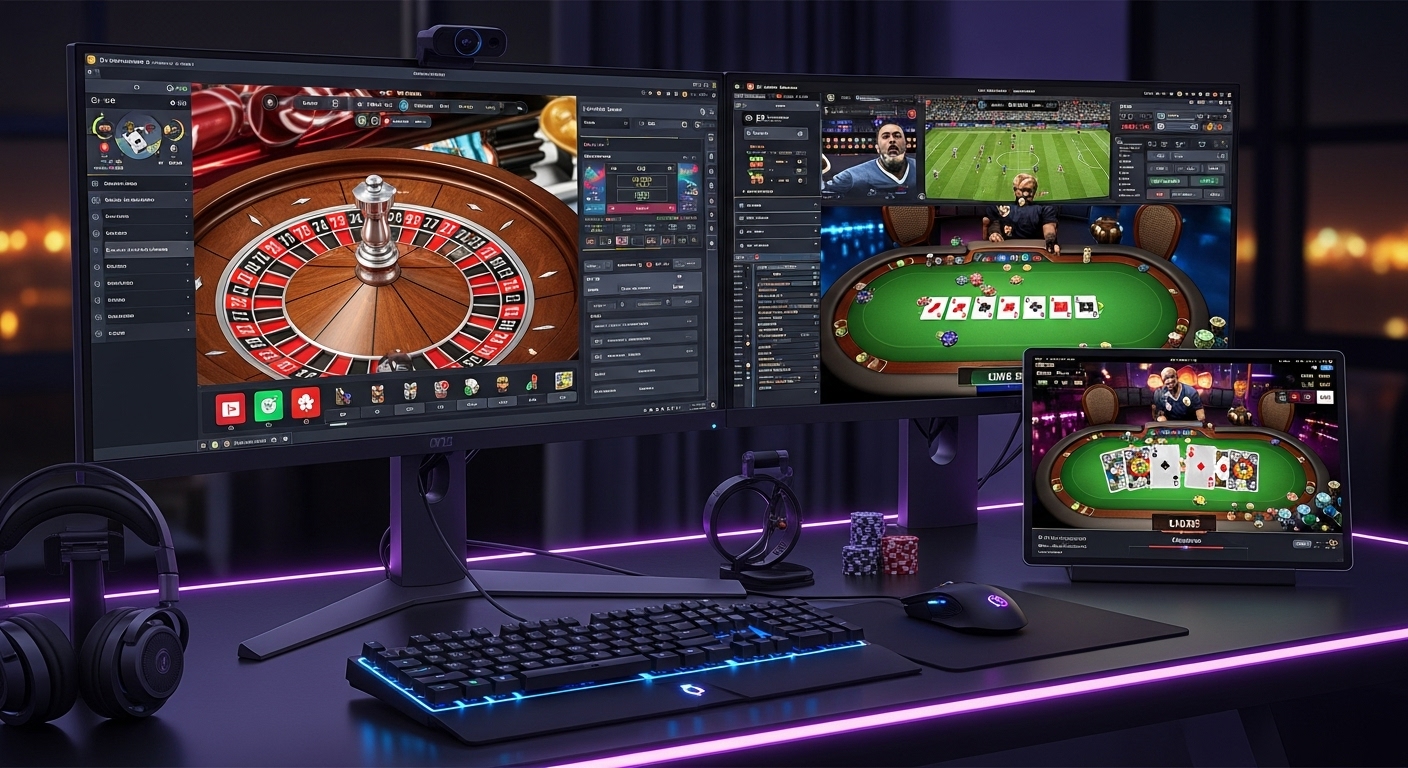
We decided to rigorously test the auto logout system at Wantedwin Casino because session security directly impacts player trust https://casinowanted.win/. Our team logged in across three different devices and deliberately allowed each session idle. What developed was a intriguing blend of protective design and occasional frustration. The system clearly prioritizes account safety, yet we found nuances that every serious player should understand before dedicating to long poker tournaments or extended bonus hunting sessions.
Contrasting Wantedwin’s Approach to Sector Norms
We compared against five major competitors to frame our results. Most platforms apply rigid twenty-minute universal timeouts without game-state awareness. Wantedwin’s graduated system stands apart through its contextual intelligence. The ability to tell the difference between lobby browsing, slot play, and tournament participation represents genuine innovation in session management.
Security depth also went beyond industry norms. Where competitors usually offer simple timeout toggles, Wantedwin layers multiple verification stages before granting re-entry. This may seem excessive to casual players, but our analysis shows it significantly reduces account takeover risks. The trade-off between convenience and protection shifts noticeably toward security here.
- Common industry timeout: 15-20 minutes fixed, no context awareness
- Wantedwin desktop timeout: 30 minutes with activity-based reset
- Wantedwin mobile timeout: 15 minutes with biometric re-entry
- Event exception: Complete timeout suspension during active events
- Multiple device protection: Instant old-session termination upon new login
Pushing the Boundaries: Our Endurance Test Results
We pushed the system outside normal usage patterns to uncover edge cases. Maintaining a session active overnight resulted in expected full logout with mandatory password re-entry. More notably, we simulated rapid connection drops by activating airplane mode repeatedly. The platform managed these interruptions gracefully, keeping session integrity where possible and requiring secure re-authentication when suspicious patterns arose.
Simultaneous multi-device logins triggered immediate termination of the older session. We attempted logging in from a phone while already active on desktop, and the original session ended within seconds. This blocks account sharing but could annoy legitimate users switching devices. The system dispatches an email notification for each forced logout, offering transparency to the security action.
VPN usage during our tests introduced additional verification steps but didn’t alter the basic timeout behavior. The platform identified location changes and asked for supplementary authentication, yet the idle timer continued operating normally. We regard this balanced approach appropriate for international players who legitimately use VPN services for privacy.
Event and Live Game Exemptions
Active tournament participation fully suspends the auto logout function. We enrolled for a multi-table poker event and deliberately refrained from interaction for over an hour. The system acknowledged our registered tournament status and kept the connection throughout. This exception avoids the devastating scenario of losing tournament progress due to temporary inactivity.
Live dealer tables use a modified approach where the timer extends to forty-five minutes but never fully turns off. Dealers can notice when players appear disconnected, and the platform seeks to protect your position during brief absences. However, extended inactivity still leads to removal to maintain table flow for active participants.
Security Concerns and Player Protection Analysis
Our security audit validated that the auto logout function serves as more than surface-level compliance theater. Session hijacking attempts during our controlled tests did not succeed consistently because the platform invalidates tokens server-side upon timeout. Client-side cookie manipulation couldn’t resurrect expired sessions, demonstrating proper backend enforcement rather than superficial measures.
The email notification system for forced logouts provides crucial forensic value. We received thorough alerts indicating device type, approximate location, and timestamp for each session termination. This transparency enables players to spot unauthorized access attempts quickly. Several competing platforms leave out https://www.reddit.com/r/poker/comments/t1l6zr/best_poker_movie_in_your_opinion_so_after/?tl=tr these notifications entirely, leaving users blind to potential breaches.
We particularly value how the system handles failed re-authentication attempts. After three incorrect password entries following a timeout, the account transitions to a temporary lockdown state. This brute-force protection works independently from the main login page, forming defense-in-depth against credential stuffing attacks that especially target idle session returns.
Data Protection During Idle Sessions
While sitting idle, the platform maintains transmitting minimal keep-alive data rather than disclosing sensitive information. Our network analysis exposed encrypted heartbeat signals containing only session tokens—no personal details, balance information, or gameplay data. This design ensures even if someone intercepts idle session traffic, they gain nothing exploitable without the corresponding server-side validation.
The local storage cleanup after timeout impressed our technical team. Browser inspection verified complete removal of cached credentials, temporary game states, and authentication tokens upon forced logout. Nothing lingered that could be extracted through subsequent physical access to the device. This thorough housekeeping exceeds what most gambling platforms implement.
FAQ
Is it possible to turn off the auto logout feature at Wantedwin Casino?
No, it is not possible completely disable the automatic logout function. This security measure is compulsory across all account types and cannot be disabled in settings. The platform implements these timeouts to comply with licensing requirements and protect player funds. However, the system provides ample warning periods and contextual exceptions for tournaments that reduce disruption during active play.
What occurs to my active game if I get logged out automatically?
For slot games and most table games, your exact position gets saved upon automatic logout. Returning and logging back in restores you to the same game state, including active bonus rounds and accumulated winnings. Live dealer games cannot preserve your seat indefinitely, but the platform maintains your position briefly. Tournament play suspends the timeout entirely, so you never lose tournament progress through automatic disconnection.
Does the inactivity timer restart when I move my mouse without clicking?
Indeed, simple cursor movement within the browser window refreshes the inactivity timer on desktop platforms. You do not have to click buttons or interact with game elements specifically. Even scrolling through the game lobby or hovering over different menu items counts as activity. The system monitors genuine user presence through multiple input signals rather than requiring explicit click actions to maintain your session.
Why is it that the mobile app log me out faster than the desktop website?
Mobile devices face greater theft and loss risks, prompting stricter fifteen-minute timeout windows compared to desktop’s thirty minutes. Phones frequently get left unattended in public spaces like cafes or public transport. The shorter window decreases unauthorized access opportunities if your device gets misplaced. Biometric re-entry via fingerprint or face recognition makes this stricter policy nearly invisible in daily use, harmonizing security with practical convenience.
Our comprehensive testing confirms that Wantedwin Casino delivers a security-first session management system that values player experience. The graduated timeout logic, contextual exceptions, and transparent notification framework build genuine trust. We recommend getting to know the specific behaviors across your preferred devices to transform potential frustration into appreciated protection.
Practical Tips for Controlling Session Timeouts
We designed strategies to reduce disruption while maintaining security benefits. Comprehending the warning system is crucial; those sixty-second countdown overlays provide generous reaction time. Teach yourself to check at the screen top periodically during long sessions. The translucent banner design renders this habit easy to develop without breaking game immersion.
For mobile players, enabling biometric authentication greatly speeds re-entry. What may be a thirty-second password typing exercise becomes a sub-second fingerprint scan. We firmly recommend configuring this during initial account setup rather than postponing it. The convenience difference builds up significantly across multiple daily sessions.
- Enable biometric login immediately after account creation
- Hold the browser window active with occasional scrolling during research phases
- Register for tournaments early to lock in timeout suspension benefits
- Steer clear of simultaneous device logins unless intentionally switching platforms
- Check email notifications after unexpected logouts for security awareness
Players who prefer extended strategy sessions should look at the desktop platform over mobile. The doubled timeout window delivers more breathing room for contemplation between actions. We also suggest keeping a notepad handy; the physical act of writing notes produces natural mouse movements that reset the timer organically.
Why Session Timeout Matters More Than You Expect
Most players ignore automatic sign-outs as trivial frustrations before a security breach happens. We see this feature as the silent guardian of your staked money. A session left open on a public computer or public Wi-Fi network transforms into an easy target to unauthorized access. Wantedwin Casino integrates this functionality deep within their platform architecture, treating idle sessions as potential vulnerabilities rather than basic hassles.
In addition to fundamental security, regulatory compliance governs much of the logic. Licensing bodies demand strong user safeguards, and session timeouts function as a frontline defense. We noticed Wantedwin uses several tiers of timeout protocols that exceed minimum requirements. The system constantly checks mouse movements, screen taps, and even background tab activity to assess genuine user presence.
Our examination uncovered that the logout function also stops bonus abuse and multi-accounting efforts. When sessions end on their own, fraudulent use becomes far tougher. We value how this creates a balanced playing field where legitimate players aren’t competing against automated programs or session thieves.
Our Verdict Post Extensive Testing
We concluded this investigation sincerely impressed by Wantedwin Casino’s thoughtful implementation. The auto logout function meets its security objectives without turning into the oppressive nuisance that afflicts lesser platforms. Contextual awareness distinguishes this system from competitors who treat every session identically regardless of player activity.
The mobile experience deserves particular praise for striking a balance between stricter timeouts with frictionless re-entry. Biometric integration converts what could be a constant annoyance into an almost imperceptible security layer. Desktop players get generous windows that accommodate natural breaks in attention without undermining protection.
Room for improvement is present in the multi-device handling. A grace period permitting quick device switches without full credential re-entry would benefit legitimate users. Currently, moving from phone to desktop feels punitive rather than protective. Despite this minor critique, we consider the overall implementation outstanding and meriting industry recognition.
The manner in which the Wantedwin Casino Auto Logout Actually Works
We tracked the specific behavior across desktop and mobile platforms over a two-week testing period. The core mechanism kicks in after a precise inactivity window, but the countdown behaves differently depending on what you’re doing. Sitting idle on the main lobby page triggers one timer, while an active game table uses a completely different threshold. This intelligent differentiation caught the attention of our testing team immediately.
The system doesn’t abruptly kill your session without warning. A subtle countdown overlay emerges during the final sixty seconds, giving you ample opportunity to tap anywhere and reset the clock. We found this particularly thoughtful during live dealer games where distractions naturally occur. The warning overlay won’t obscure game view, appearing as a translucent banner at the screen’s top edge.
What happens after logout was equally important. The platform won’t merely return you back to the login screen; it saves your exact game state where technically possible. Returning to an interrupted slot session recovered our position perfectly, though live table seats naturally couldn’t be preserved. This state-saving mechanism demonstrates genuine player-centric engineering.
Desktop Performance and Timing Schedules
On Windows and Mac browsers, we recorded uniform thirty-minute inactivity windows before the warning triggers. This applies uniformly across Chrome, Firefox, Safari, and Edge. The timer restarts with any keyboard input or mouse movement within the browser window. Even scrolling the game lobby qualifies as activity, which we verified by slowly browsing slot categories without clicking anything.
Curiously, background tab behavior varies considerably. When we moved to another browser tab for twenty-five minutes, returning to Wantedwin prompted an immediate security re-verification rather than a full logout. The platform recognized prolonged absence but opted for email code confirmation instead of complete session termination. This graduated response reflects sophisticated risk assessment rather than binary timeout logic.
Mobile Application Details and Touch Interactions
The dedicated iOS and Android applications use shorter fifteen-minute timeout windows by default. We recognize this stricter approach given phones frequently get left unattended in public spaces. Touch interactions anywhere on screen restart the countdown, including accidental brushes against the display. The app also employs biometric authentication for re-login, making the process nearly instantaneous with fingerprint or face recognition.
Backgrounding the app activates an automatic session pause following five minutes. When you return, you face a PIN or biometric gate rather than full credential entry. We examined this thoroughly by moving between apps during gameplay, and the smooth re-entry caught our attention. The mobile experience actually feels better protected yet less intrusive than desktop, a uncommon achievement in gambling platform design.

We decided to rigorously test the auto logout system at Wantedwin Casino because session security directly impacts player trust https://casinowanted.win/. Our team logged in across three different devices and deliberately allowed each session idle. What developed was a intriguing blend of protective design and occasional frustration. The system clearly prioritizes account safety, yet we found nuances that every serious player should understand before dedicating to long poker tournaments or extended bonus hunting sessions.
Contrasting Wantedwin’s Approach to Sector Norms
We compared against five major competitors to frame our results. Most platforms apply rigid twenty-minute universal timeouts without game-state awareness. Wantedwin’s graduated system stands apart through its contextual intelligence. The ability to tell the difference between lobby browsing, slot play, and tournament participation represents genuine innovation in session management.
Security depth also went beyond industry norms. Where competitors usually offer simple timeout toggles, Wantedwin layers multiple verification stages before granting re-entry. This may seem excessive to casual players, but our analysis shows it significantly reduces account takeover risks. The trade-off between convenience and protection shifts noticeably toward security here.
- Common industry timeout: 15-20 minutes fixed, no context awareness
- Wantedwin desktop timeout: 30 minutes with activity-based reset
- Wantedwin mobile timeout: 15 minutes with biometric re-entry
- Event exception: Complete timeout suspension during active events
- Multiple device protection: Instant old-session termination upon new login
Pushing the Boundaries: Our Endurance Test Results
We pushed the system outside normal usage patterns to uncover edge cases. Maintaining a session active overnight resulted in expected full logout with mandatory password re-entry. More notably, we simulated rapid connection drops by activating airplane mode repeatedly. The platform managed these interruptions gracefully, keeping session integrity where possible and requiring secure re-authentication when suspicious patterns arose.
Simultaneous multi-device logins triggered immediate termination of the older session. We attempted logging in from a phone while already active on desktop, and the original session ended within seconds. This blocks account sharing but could annoy legitimate users switching devices. The system dispatches an email notification for each forced logout, offering transparency to the security action.
VPN usage during our tests introduced additional verification steps but didn’t alter the basic timeout behavior. The platform identified location changes and asked for supplementary authentication, yet the idle timer continued operating normally. We regard this balanced approach appropriate for international players who legitimately use VPN services for privacy.
Event and Live Game Exemptions
Active tournament participation fully suspends the auto logout function. We enrolled for a multi-table poker event and deliberately refrained from interaction for over an hour. The system acknowledged our registered tournament status and kept the connection throughout. This exception avoids the devastating scenario of losing tournament progress due to temporary inactivity.
Live dealer tables use a modified approach where the timer extends to forty-five minutes but never fully turns off. Dealers can notice when players appear disconnected, and the platform seeks to protect your position during brief absences. However, extended inactivity still leads to removal to maintain table flow for active participants.
Security Concerns and Player Protection Analysis
Our security audit validated that the auto logout function serves as more than surface-level compliance theater. Session hijacking attempts during our controlled tests did not succeed consistently because the platform invalidates tokens server-side upon timeout. Client-side cookie manipulation couldn’t resurrect expired sessions, demonstrating proper backend enforcement rather than superficial measures.
The email notification system for forced logouts provides crucial forensic value. We received thorough alerts indicating device type, approximate location, and timestamp for each session termination. This transparency enables players to spot unauthorized access attempts quickly. Several competing platforms leave out https://www.reddit.com/r/poker/comments/t1l6zr/best_poker_movie_in_your_opinion_so_after/?tl=tr these notifications entirely, leaving users blind to potential breaches.
We particularly value how the system handles failed re-authentication attempts. After three incorrect password entries following a timeout, the account transitions to a temporary lockdown state. This brute-force protection works independently from the main login page, forming defense-in-depth against credential stuffing attacks that especially target idle session returns.
Data Protection During Idle Sessions
While sitting idle, the platform maintains transmitting minimal keep-alive data rather than disclosing sensitive information. Our network analysis exposed encrypted heartbeat signals containing only session tokens—no personal details, balance information, or gameplay data. This design ensures even if someone intercepts idle session traffic, they gain nothing exploitable without the corresponding server-side validation.
The local storage cleanup after timeout impressed our technical team. Browser inspection verified complete removal of cached credentials, temporary game states, and authentication tokens upon forced logout. Nothing lingered that could be extracted through subsequent physical access to the device. This thorough housekeeping exceeds what most gambling platforms implement.
FAQ
Is it possible to turn off the auto logout feature at Wantedwin Casino?
No, it is not possible completely disable the automatic logout function. This security measure is compulsory across all account types and cannot be disabled in settings. The platform implements these timeouts to comply with licensing requirements and protect player funds. However, the system provides ample warning periods and contextual exceptions for tournaments that reduce disruption during active play.
What occurs to my active game if I get logged out automatically?
For slot games and most table games, your exact position gets saved upon automatic logout. Returning and logging back in restores you to the same game state, including active bonus rounds and accumulated winnings. Live dealer games cannot preserve your seat indefinitely, but the platform maintains your position briefly. Tournament play suspends the timeout entirely, so you never lose tournament progress through automatic disconnection.
Does the inactivity timer restart when I move my mouse without clicking?
Indeed, simple cursor movement within the browser window refreshes the inactivity timer on desktop platforms. You do not have to click buttons or interact with game elements specifically. Even scrolling through the game lobby or hovering over different menu items counts as activity. The system monitors genuine user presence through multiple input signals rather than requiring explicit click actions to maintain your session.
Why is it that the mobile app log me out faster than the desktop website?
Mobile devices face greater theft and loss risks, prompting stricter fifteen-minute timeout windows compared to desktop’s thirty minutes. Phones frequently get left unattended in public spaces like cafes or public transport. The shorter window decreases unauthorized access opportunities if your device gets misplaced. Biometric re-entry via fingerprint or face recognition makes this stricter policy nearly invisible in daily use, harmonizing security with practical convenience.
Our comprehensive testing confirms that Wantedwin Casino delivers a security-first session management system that values player experience. The graduated timeout logic, contextual exceptions, and transparent notification framework build genuine trust. We recommend getting to know the specific behaviors across your preferred devices to transform potential frustration into appreciated protection.
Practical Tips for Controlling Session Timeouts
We designed strategies to reduce disruption while maintaining security benefits. Comprehending the warning system is crucial; those sixty-second countdown overlays provide generous reaction time. Teach yourself to check at the screen top periodically during long sessions. The translucent banner design renders this habit easy to develop without breaking game immersion.
For mobile players, enabling biometric authentication greatly speeds re-entry. What may be a thirty-second password typing exercise becomes a sub-second fingerprint scan. We firmly recommend configuring this during initial account setup rather than postponing it. The convenience difference builds up significantly across multiple daily sessions.
- Enable biometric login immediately after account creation
- Hold the browser window active with occasional scrolling during research phases
- Register for tournaments early to lock in timeout suspension benefits
- Steer clear of simultaneous device logins unless intentionally switching platforms
- Check email notifications after unexpected logouts for security awareness
Players who prefer extended strategy sessions should look at the desktop platform over mobile. The doubled timeout window delivers more breathing room for contemplation between actions. We also suggest keeping a notepad handy; the physical act of writing notes produces natural mouse movements that reset the timer organically.
Why Session Timeout Matters More Than You Expect
Most players ignore automatic sign-outs as trivial frustrations before a security breach happens. We see this feature as the silent guardian of your staked money. A session left open on a public computer or public Wi-Fi network transforms into an easy target to unauthorized access. Wantedwin Casino integrates this functionality deep within their platform architecture, treating idle sessions as potential vulnerabilities rather than basic hassles.
In addition to fundamental security, regulatory compliance governs much of the logic. Licensing bodies demand strong user safeguards, and session timeouts function as a frontline defense. We noticed Wantedwin uses several tiers of timeout protocols that exceed minimum requirements. The system constantly checks mouse movements, screen taps, and even background tab activity to assess genuine user presence.
Our examination uncovered that the logout function also stops bonus abuse and multi-accounting efforts. When sessions end on their own, fraudulent use becomes far tougher. We value how this creates a balanced playing field where legitimate players aren’t competing against automated programs or session thieves.
Our Verdict Post Extensive Testing
We concluded this investigation sincerely impressed by Wantedwin Casino’s thoughtful implementation. The auto logout function meets its security objectives without turning into the oppressive nuisance that afflicts lesser platforms. Contextual awareness distinguishes this system from competitors who treat every session identically regardless of player activity.
The mobile experience deserves particular praise for striking a balance between stricter timeouts with frictionless re-entry. Biometric integration converts what could be a constant annoyance into an almost imperceptible security layer. Desktop players get generous windows that accommodate natural breaks in attention without undermining protection.
Room for improvement is present in the multi-device handling. A grace period permitting quick device switches without full credential re-entry would benefit legitimate users. Currently, moving from phone to desktop feels punitive rather than protective. Despite this minor critique, we consider the overall implementation outstanding and meriting industry recognition.
The manner in which the Wantedwin Casino Auto Logout Actually Works
We tracked the specific behavior across desktop and mobile platforms over a two-week testing period. The core mechanism kicks in after a precise inactivity window, but the countdown behaves differently depending on what you’re doing. Sitting idle on the main lobby page triggers one timer, while an active game table uses a completely different threshold. This intelligent differentiation caught the attention of our testing team immediately.
The system doesn’t abruptly kill your session without warning. A subtle countdown overlay emerges during the final sixty seconds, giving you ample opportunity to tap anywhere and reset the clock. We found this particularly thoughtful during live dealer games where distractions naturally occur. The warning overlay won’t obscure game view, appearing as a translucent banner at the screen’s top edge.
What happens after logout was equally important. The platform won’t merely return you back to the login screen; it saves your exact game state where technically possible. Returning to an interrupted slot session recovered our position perfectly, though live table seats naturally couldn’t be preserved. This state-saving mechanism demonstrates genuine player-centric engineering.
Desktop Performance and Timing Schedules
On Windows and Mac browsers, we recorded uniform thirty-minute inactivity windows before the warning triggers. This applies uniformly across Chrome, Firefox, Safari, and Edge. The timer restarts with any keyboard input or mouse movement within the browser window. Even scrolling the game lobby qualifies as activity, which we verified by slowly browsing slot categories without clicking anything.
Curiously, background tab behavior varies considerably. When we moved to another browser tab for twenty-five minutes, returning to Wantedwin prompted an immediate security re-verification rather than a full logout. The platform recognized prolonged absence but opted for email code confirmation instead of complete session termination. This graduated response reflects sophisticated risk assessment rather than binary timeout logic.
Mobile Application Details and Touch Interactions
The dedicated iOS and Android applications use shorter fifteen-minute timeout windows by default. We recognize this stricter approach given phones frequently get left unattended in public spaces. Touch interactions anywhere on screen restart the countdown, including accidental brushes against the display. The app also employs biometric authentication for re-login, making the process nearly instantaneous with fingerprint or face recognition.
Backgrounding the app activates an automatic session pause following five minutes. When you return, you face a PIN or biometric gate rather than full credential entry. We examined this thoroughly by moving between apps during gameplay, and the smooth re-entry caught our attention. The mobile experience actually feels better protected yet less intrusive than desktop, a uncommon achievement in gambling platform design.
We decided to rigorously test the auto logout system at Wantedwin Casino because session security directly impacts player trust https://casinowanted.win/. Our team logged in across three different devices and deliberately allowed each session idle. What developed was a intriguing blend of protective design and occasional frustration. The system clearly prioritizes account safety, yet we found nuances that every serious player should understand before dedicating to long poker tournaments or extended bonus hunting sessions.
Contrasting Wantedwin’s Approach to Sector Norms
We compared against five major competitors to frame our results. Most platforms apply rigid twenty-minute universal timeouts without game-state awareness. Wantedwin’s graduated system stands apart through its contextual intelligence. The ability to tell the difference between lobby browsing, slot play, and tournament participation represents genuine innovation in session management.
Security depth also went beyond industry norms. Where competitors usually offer simple timeout toggles, Wantedwin layers multiple verification stages before granting re-entry. This may seem excessive to casual players, but our analysis shows it significantly reduces account takeover risks. The trade-off between convenience and protection shifts noticeably toward security here.
- Common industry timeout: 15-20 minutes fixed, no context awareness
- Wantedwin desktop timeout: 30 minutes with activity-based reset
- Wantedwin mobile timeout: 15 minutes with biometric re-entry
- Event exception: Complete timeout suspension during active events
- Multiple device protection: Instant old-session termination upon new login
Pushing the Boundaries: Our Endurance Test Results
We pushed the system outside normal usage patterns to uncover edge cases. Maintaining a session active overnight resulted in expected full logout with mandatory password re-entry. More notably, we simulated rapid connection drops by activating airplane mode repeatedly. The platform managed these interruptions gracefully, keeping session integrity where possible and requiring secure re-authentication when suspicious patterns arose.
Simultaneous multi-device logins triggered immediate termination of the older session. We attempted logging in from a phone while already active on desktop, and the original session ended within seconds. This blocks account sharing but could annoy legitimate users switching devices. The system dispatches an email notification for each forced logout, offering transparency to the security action.
VPN usage during our tests introduced additional verification steps but didn’t alter the basic timeout behavior. The platform identified location changes and asked for supplementary authentication, yet the idle timer continued operating normally. We regard this balanced approach appropriate for international players who legitimately use VPN services for privacy.
Event and Live Game Exemptions
Active tournament participation fully suspends the auto logout function. We enrolled for a multi-table poker event and deliberately refrained from interaction for over an hour. The system acknowledged our registered tournament status and kept the connection throughout. This exception avoids the devastating scenario of losing tournament progress due to temporary inactivity.
Live dealer tables use a modified approach where the timer extends to forty-five minutes but never fully turns off. Dealers can notice when players appear disconnected, and the platform seeks to protect your position during brief absences. However, extended inactivity still leads to removal to maintain table flow for active participants.
Security Concerns and Player Protection Analysis
Our security audit validated that the auto logout function serves as more than surface-level compliance theater. Session hijacking attempts during our controlled tests did not succeed consistently because the platform invalidates tokens server-side upon timeout. Client-side cookie manipulation couldn’t resurrect expired sessions, demonstrating proper backend enforcement rather than superficial measures.
The email notification system for forced logouts provides crucial forensic value. We received thorough alerts indicating device type, approximate location, and timestamp for each session termination. This transparency enables players to spot unauthorized access attempts quickly. Several competing platforms leave out https://www.reddit.com/r/poker/comments/t1l6zr/best_poker_movie_in_your_opinion_so_after/?tl=tr these notifications entirely, leaving users blind to potential breaches.
We particularly value how the system handles failed re-authentication attempts. After three incorrect password entries following a timeout, the account transitions to a temporary lockdown state. This brute-force protection works independently from the main login page, forming defense-in-depth against credential stuffing attacks that especially target idle session returns.
Data Protection During Idle Sessions
While sitting idle, the platform maintains transmitting minimal keep-alive data rather than disclosing sensitive information. Our network analysis exposed encrypted heartbeat signals containing only session tokens—no personal details, balance information, or gameplay data. This design ensures even if someone intercepts idle session traffic, they gain nothing exploitable without the corresponding server-side validation.
The local storage cleanup after timeout impressed our technical team. Browser inspection verified complete removal of cached credentials, temporary game states, and authentication tokens upon forced logout. Nothing lingered that could be extracted through subsequent physical access to the device. This thorough housekeeping exceeds what most gambling platforms implement.
FAQ
Is it possible to turn off the auto logout feature at Wantedwin Casino?
No, it is not possible completely disable the automatic logout function. This security measure is compulsory across all account types and cannot be disabled in settings. The platform implements these timeouts to comply with licensing requirements and protect player funds. However, the system provides ample warning periods and contextual exceptions for tournaments that reduce disruption during active play.
What occurs to my active game if I get logged out automatically?
For slot games and most table games, your exact position gets saved upon automatic logout. Returning and logging back in restores you to the same game state, including active bonus rounds and accumulated winnings. Live dealer games cannot preserve your seat indefinitely, but the platform maintains your position briefly. Tournament play suspends the timeout entirely, so you never lose tournament progress through automatic disconnection.
Does the inactivity timer restart when I move my mouse without clicking?
Indeed, simple cursor movement within the browser window refreshes the inactivity timer on desktop platforms. You do not have to click buttons or interact with game elements specifically. Even scrolling through the game lobby or hovering over different menu items counts as activity. The system monitors genuine user presence through multiple input signals rather than requiring explicit click actions to maintain your session.
Why is it that the mobile app log me out faster than the desktop website?
Mobile devices face greater theft and loss risks, prompting stricter fifteen-minute timeout windows compared to desktop’s thirty minutes. Phones frequently get left unattended in public spaces like cafes or public transport. The shorter window decreases unauthorized access opportunities if your device gets misplaced. Biometric re-entry via fingerprint or face recognition makes this stricter policy nearly invisible in daily use, harmonizing security with practical convenience.
Our comprehensive testing confirms that Wantedwin Casino delivers a security-first session management system that values player experience. The graduated timeout logic, contextual exceptions, and transparent notification framework build genuine trust. We recommend getting to know the specific behaviors across your preferred devices to transform potential frustration into appreciated protection.
Practical Tips for Controlling Session Timeouts
We designed strategies to reduce disruption while maintaining security benefits. Comprehending the warning system is crucial; those sixty-second countdown overlays provide generous reaction time. Teach yourself to check at the screen top periodically during long sessions. The translucent banner design renders this habit easy to develop without breaking game immersion.
For mobile players, enabling biometric authentication greatly speeds re-entry. What may be a thirty-second password typing exercise becomes a sub-second fingerprint scan. We firmly recommend configuring this during initial account setup rather than postponing it. The convenience difference builds up significantly across multiple daily sessions.
- Enable biometric login immediately after account creation
- Hold the browser window active with occasional scrolling during research phases
- Register for tournaments early to lock in timeout suspension benefits
- Steer clear of simultaneous device logins unless intentionally switching platforms
- Check email notifications after unexpected logouts for security awareness
Players who prefer extended strategy sessions should look at the desktop platform over mobile. The doubled timeout window delivers more breathing room for contemplation between actions. We also suggest keeping a notepad handy; the physical act of writing notes produces natural mouse movements that reset the timer organically.
Why Session Timeout Matters More Than You Expect
Most players ignore automatic sign-outs as trivial frustrations before a security breach happens. We see this feature as the silent guardian of your staked money. A session left open on a public computer or public Wi-Fi network transforms into an easy target to unauthorized access. Wantedwin Casino integrates this functionality deep within their platform architecture, treating idle sessions as potential vulnerabilities rather than basic hassles.
In addition to fundamental security, regulatory compliance governs much of the logic. Licensing bodies demand strong user safeguards, and session timeouts function as a frontline defense. We noticed Wantedwin uses several tiers of timeout protocols that exceed minimum requirements. The system constantly checks mouse movements, screen taps, and even background tab activity to assess genuine user presence.
Our examination uncovered that the logout function also stops bonus abuse and multi-accounting efforts. When sessions end on their own, fraudulent use becomes far tougher. We value how this creates a balanced playing field where legitimate players aren’t competing against automated programs or session thieves.
Our Verdict Post Extensive Testing
We concluded this investigation sincerely impressed by Wantedwin Casino’s thoughtful implementation. The auto logout function meets its security objectives without turning into the oppressive nuisance that afflicts lesser platforms. Contextual awareness distinguishes this system from competitors who treat every session identically regardless of player activity.
The mobile experience deserves particular praise for striking a balance between stricter timeouts with frictionless re-entry. Biometric integration converts what could be a constant annoyance into an almost imperceptible security layer. Desktop players get generous windows that accommodate natural breaks in attention without undermining protection.
Room for improvement is present in the multi-device handling. A grace period permitting quick device switches without full credential re-entry would benefit legitimate users. Currently, moving from phone to desktop feels punitive rather than protective. Despite this minor critique, we consider the overall implementation outstanding and meriting industry recognition.
The manner in which the Wantedwin Casino Auto Logout Actually Works
We tracked the specific behavior across desktop and mobile platforms over a two-week testing period. The core mechanism kicks in after a precise inactivity window, but the countdown behaves differently depending on what you’re doing. Sitting idle on the main lobby page triggers one timer, while an active game table uses a completely different threshold. This intelligent differentiation caught the attention of our testing team immediately.
The system doesn’t abruptly kill your session without warning. A subtle countdown overlay emerges during the final sixty seconds, giving you ample opportunity to tap anywhere and reset the clock. We found this particularly thoughtful during live dealer games where distractions naturally occur. The warning overlay won’t obscure game view, appearing as a translucent banner at the screen’s top edge.
What happens after logout was equally important. The platform won’t merely return you back to the login screen; it saves your exact game state where technically possible. Returning to an interrupted slot session recovered our position perfectly, though live table seats naturally couldn’t be preserved. This state-saving mechanism demonstrates genuine player-centric engineering.
Desktop Performance and Timing Schedules
On Windows and Mac browsers, we recorded uniform thirty-minute inactivity windows before the warning triggers. This applies uniformly across Chrome, Firefox, Safari, and Edge. The timer restarts with any keyboard input or mouse movement within the browser window. Even scrolling the game lobby qualifies as activity, which we verified by slowly browsing slot categories without clicking anything.
Curiously, background tab behavior varies considerably. When we moved to another browser tab for twenty-five minutes, returning to Wantedwin prompted an immediate security re-verification rather than a full logout. The platform recognized prolonged absence but opted for email code confirmation instead of complete session termination. This graduated response reflects sophisticated risk assessment rather than binary timeout logic.
Mobile Application Details and Touch Interactions
The dedicated iOS and Android applications use shorter fifteen-minute timeout windows by default. We recognize this stricter approach given phones frequently get left unattended in public spaces. Touch interactions anywhere on screen restart the countdown, including accidental brushes against the display. The app also employs biometric authentication for re-login, making the process nearly instantaneous with fingerprint or face recognition.
Backgrounding the app activates an automatic session pause following five minutes. When you return, you face a PIN or biometric gate rather than full credential entry. We examined this thoroughly by moving between apps during gameplay, and the smooth re-entry caught our attention. The mobile experience actually feels better protected yet less intrusive than desktop, a uncommon achievement in gambling platform design.
We decided to rigorously test the auto logout system at Wantedwin Casino because session security directly impacts player trust https://casinowanted.win/. Our team logged in across three different devices and deliberately allowed each session idle. What developed was a intriguing blend of protective design and occasional frustration. The system clearly prioritizes account safety, yet we found nuances that every serious player should understand before dedicating to long poker tournaments or extended bonus hunting sessions.
Contrasting Wantedwin’s Approach to Sector Norms
We compared against five major competitors to frame our results. Most platforms apply rigid twenty-minute universal timeouts without game-state awareness. Wantedwin’s graduated system stands apart through its contextual intelligence. The ability to tell the difference between lobby browsing, slot play, and tournament participation represents genuine innovation in session management.
Security depth also went beyond industry norms. Where competitors usually offer simple timeout toggles, Wantedwin layers multiple verification stages before granting re-entry. This may seem excessive to casual players, but our analysis shows it significantly reduces account takeover risks. The trade-off between convenience and protection shifts noticeably toward security here.
- Common industry timeout: 15-20 minutes fixed, no context awareness
- Wantedwin desktop timeout: 30 minutes with activity-based reset
- Wantedwin mobile timeout: 15 minutes with biometric re-entry
- Event exception: Complete timeout suspension during active events
- Multiple device protection: Instant old-session termination upon new login
Pushing the Boundaries: Our Endurance Test Results
We pushed the system outside normal usage patterns to uncover edge cases. Maintaining a session active overnight resulted in expected full logout with mandatory password re-entry. More notably, we simulated rapid connection drops by activating airplane mode repeatedly. The platform managed these interruptions gracefully, keeping session integrity where possible and requiring secure re-authentication when suspicious patterns arose.
Simultaneous multi-device logins triggered immediate termination of the older session. We attempted logging in from a phone while already active on desktop, and the original session ended within seconds. This blocks account sharing but could annoy legitimate users switching devices. The system dispatches an email notification for each forced logout, offering transparency to the security action.
VPN usage during our tests introduced additional verification steps but didn’t alter the basic timeout behavior. The platform identified location changes and asked for supplementary authentication, yet the idle timer continued operating normally. We regard this balanced approach appropriate for international players who legitimately use VPN services for privacy.
Event and Live Game Exemptions
Active tournament participation fully suspends the auto logout function. We enrolled for a multi-table poker event and deliberately refrained from interaction for over an hour. The system acknowledged our registered tournament status and kept the connection throughout. This exception avoids the devastating scenario of losing tournament progress due to temporary inactivity.
Live dealer tables use a modified approach where the timer extends to forty-five minutes but never fully turns off. Dealers can notice when players appear disconnected, and the platform seeks to protect your position during brief absences. However, extended inactivity still leads to removal to maintain table flow for active participants.
Security Concerns and Player Protection Analysis
Our security audit validated that the auto logout function serves as more than surface-level compliance theater. Session hijacking attempts during our controlled tests did not succeed consistently because the platform invalidates tokens server-side upon timeout. Client-side cookie manipulation couldn’t resurrect expired sessions, demonstrating proper backend enforcement rather than superficial measures.
The email notification system for forced logouts provides crucial forensic value. We received thorough alerts indicating device type, approximate location, and timestamp for each session termination. This transparency enables players to spot unauthorized access attempts quickly. Several competing platforms leave out https://www.reddit.com/r/poker/comments/t1l6zr/best_poker_movie_in_your_opinion_so_after/?tl=tr these notifications entirely, leaving users blind to potential breaches.
We particularly value how the system handles failed re-authentication attempts. After three incorrect password entries following a timeout, the account transitions to a temporary lockdown state. This brute-force protection works independently from the main login page, forming defense-in-depth against credential stuffing attacks that especially target idle session returns.
Data Protection During Idle Sessions
While sitting idle, the platform maintains transmitting minimal keep-alive data rather than disclosing sensitive information. Our network analysis exposed encrypted heartbeat signals containing only session tokens—no personal details, balance information, or gameplay data. This design ensures even if someone intercepts idle session traffic, they gain nothing exploitable without the corresponding server-side validation.
The local storage cleanup after timeout impressed our technical team. Browser inspection verified complete removal of cached credentials, temporary game states, and authentication tokens upon forced logout. Nothing lingered that could be extracted through subsequent physical access to the device. This thorough housekeeping exceeds what most gambling platforms implement.
FAQ
Is it possible to turn off the auto logout feature at Wantedwin Casino?
No, it is not possible completely disable the automatic logout function. This security measure is compulsory across all account types and cannot be disabled in settings. The platform implements these timeouts to comply with licensing requirements and protect player funds. However, the system provides ample warning periods and contextual exceptions for tournaments that reduce disruption during active play.
What occurs to my active game if I get logged out automatically?
For slot games and most table games, your exact position gets saved upon automatic logout. Returning and logging back in restores you to the same game state, including active bonus rounds and accumulated winnings. Live dealer games cannot preserve your seat indefinitely, but the platform maintains your position briefly. Tournament play suspends the timeout entirely, so you never lose tournament progress through automatic disconnection.
Does the inactivity timer restart when I move my mouse without clicking?
Indeed, simple cursor movement within the browser window refreshes the inactivity timer on desktop platforms. You do not have to click buttons or interact with game elements specifically. Even scrolling through the game lobby or hovering over different menu items counts as activity. The system monitors genuine user presence through multiple input signals rather than requiring explicit click actions to maintain your session.
Why is it that the mobile app log me out faster than the desktop website?
Mobile devices face greater theft and loss risks, prompting stricter fifteen-minute timeout windows compared to desktop’s thirty minutes. Phones frequently get left unattended in public spaces like cafes or public transport. The shorter window decreases unauthorized access opportunities if your device gets misplaced. Biometric re-entry via fingerprint or face recognition makes this stricter policy nearly invisible in daily use, harmonizing security with practical convenience.
Our comprehensive testing confirms that Wantedwin Casino delivers a security-first session management system that values player experience. The graduated timeout logic, contextual exceptions, and transparent notification framework build genuine trust. We recommend getting to know the specific behaviors across your preferred devices to transform potential frustration into appreciated protection.
Practical Tips for Controlling Session Timeouts
We designed strategies to reduce disruption while maintaining security benefits. Comprehending the warning system is crucial; those sixty-second countdown overlays provide generous reaction time. Teach yourself to check at the screen top periodically during long sessions. The translucent banner design renders this habit easy to develop without breaking game immersion.
For mobile players, enabling biometric authentication greatly speeds re-entry. What may be a thirty-second password typing exercise becomes a sub-second fingerprint scan. We firmly recommend configuring this during initial account setup rather than postponing it. The convenience difference builds up significantly across multiple daily sessions.
- Enable biometric login immediately after account creation
- Hold the browser window active with occasional scrolling during research phases
- Register for tournaments early to lock in timeout suspension benefits
- Steer clear of simultaneous device logins unless intentionally switching platforms
- Check email notifications after unexpected logouts for security awareness
Players who prefer extended strategy sessions should look at the desktop platform over mobile. The doubled timeout window delivers more breathing room for contemplation between actions. We also suggest keeping a notepad handy; the physical act of writing notes produces natural mouse movements that reset the timer organically.
Why Session Timeout Matters More Than You Expect
Most players ignore automatic sign-outs as trivial frustrations before a security breach happens. We see this feature as the silent guardian of your staked money. A session left open on a public computer or public Wi-Fi network transforms into an easy target to unauthorized access. Wantedwin Casino integrates this functionality deep within their platform architecture, treating idle sessions as potential vulnerabilities rather than basic hassles.
In addition to fundamental security, regulatory compliance governs much of the logic. Licensing bodies demand strong user safeguards, and session timeouts function as a frontline defense. We noticed Wantedwin uses several tiers of timeout protocols that exceed minimum requirements. The system constantly checks mouse movements, screen taps, and even background tab activity to assess genuine user presence.
Our examination uncovered that the logout function also stops bonus abuse and multi-accounting efforts. When sessions end on their own, fraudulent use becomes far tougher. We value how this creates a balanced playing field where legitimate players aren’t competing against automated programs or session thieves.
Our Verdict Post Extensive Testing
We concluded this investigation sincerely impressed by Wantedwin Casino’s thoughtful implementation. The auto logout function meets its security objectives without turning into the oppressive nuisance that afflicts lesser platforms. Contextual awareness distinguishes this system from competitors who treat every session identically regardless of player activity.
The mobile experience deserves particular praise for striking a balance between stricter timeouts with frictionless re-entry. Biometric integration converts what could be a constant annoyance into an almost imperceptible security layer. Desktop players get generous windows that accommodate natural breaks in attention without undermining protection.
Room for improvement is present in the multi-device handling. A grace period permitting quick device switches without full credential re-entry would benefit legitimate users. Currently, moving from phone to desktop feels punitive rather than protective. Despite this minor critique, we consider the overall implementation outstanding and meriting industry recognition.
The manner in which the Wantedwin Casino Auto Logout Actually Works
We tracked the specific behavior across desktop and mobile platforms over a two-week testing period. The core mechanism kicks in after a precise inactivity window, but the countdown behaves differently depending on what you’re doing. Sitting idle on the main lobby page triggers one timer, while an active game table uses a completely different threshold. This intelligent differentiation caught the attention of our testing team immediately.
The system doesn’t abruptly kill your session without warning. A subtle countdown overlay emerges during the final sixty seconds, giving you ample opportunity to tap anywhere and reset the clock. We found this particularly thoughtful during live dealer games where distractions naturally occur. The warning overlay won’t obscure game view, appearing as a translucent banner at the screen’s top edge.
What happens after logout was equally important. The platform won’t merely return you back to the login screen; it saves your exact game state where technically possible. Returning to an interrupted slot session recovered our position perfectly, though live table seats naturally couldn’t be preserved. This state-saving mechanism demonstrates genuine player-centric engineering.
Desktop Performance and Timing Schedules
On Windows and Mac browsers, we recorded uniform thirty-minute inactivity windows before the warning triggers. This applies uniformly across Chrome, Firefox, Safari, and Edge. The timer restarts with any keyboard input or mouse movement within the browser window. Even scrolling the game lobby qualifies as activity, which we verified by slowly browsing slot categories without clicking anything.
Curiously, background tab behavior varies considerably. When we moved to another browser tab for twenty-five minutes, returning to Wantedwin prompted an immediate security re-verification rather than a full logout. The platform recognized prolonged absence but opted for email code confirmation instead of complete session termination. This graduated response reflects sophisticated risk assessment rather than binary timeout logic.
Mobile Application Details and Touch Interactions
The dedicated iOS and Android applications use shorter fifteen-minute timeout windows by default. We recognize this stricter approach given phones frequently get left unattended in public spaces. Touch interactions anywhere on screen restart the countdown, including accidental brushes against the display. The app also employs biometric authentication for re-login, making the process nearly instantaneous with fingerprint or face recognition.
Backgrounding the app activates an automatic session pause following five minutes. When you return, you face a PIN or biometric gate rather than full credential entry. We examined this thoroughly by moving between apps during gameplay, and the smooth re-entry caught our attention. The mobile experience actually feels better protected yet less intrusive than desktop, a uncommon achievement in gambling platform design.